Self Assessment: A Complete Guide to Understanding Yourself and Growing With Confidence
Self assessment is one of the most powerful tools you have for personal and professional growth. Whether you are a student trying to figure out your career direction, a professional preparing for a performance review, or someone who simply wants deeper self-awareness, the process of self assessment can change how you see yourself and where you are headed.
Yet many people struggle with it. You might wonder what to include, how to be honest without being harsh, or why it even matters. This guide walks you through everything you need to know about self assessment — from its core meaning and real benefits to actionable steps, practical examples, and common mistakes to avoid. By the end, you will have a clear framework to evaluate yourself with purpose and confidence.

What Does Self Assessment Actually Mean?
Self assessment is the process of examining your own actions, skills, values, and progress against meaningful standards. It goes beyond simply asking "How did I do?" Instead, it encourages you to look at what worked, what did not, and why.
In professional settings, self assessment typically appears during performance reviews. Your manager may ask you to evaluate your contributions, competencies, and development areas before a formal conversation. In education, students use self assessment to reflect on their learning outcomes and adjust study strategies.
However, self assessment is not limited to formal contexts. You can practice it anytime you want to understand your patterns, motivations, or habits more clearly. At its core, self assessment is a structured reflection that connects where you are with where you want to be.
How Self Assessment Differs From External Feedback
External feedback comes from managers, peers, or mentors. It tells you how others perceive your work. Self assessment, on the other hand, focuses on your internal view — your awareness of your own strengths, blind spots, and growth trajectory.
Both are valuable. However, combining them gives you a more complete picture. External feedback fills gaps in your self-perception, while self assessment ensures you do not rely solely on others to define your progress.
Self Assessment vs. Self-Evaluation vs. Self-Reflection
These terms often overlap, but they have subtle differences:
- Self assessment focuses on measuring your skills, progress, or traits against defined criteria.
- Self-evaluation typically refers to a formal written summary, often part of a workplace review.
- Self-reflection is a broader, more open-ended process — thinking about your experiences, feelings, and reactions without necessarily scoring or ranking them.
For most practical purposes, you can think of self assessment as the structured version of self-reflection, designed to produce clear takeaways.
Why Self Assessment Matters for Personal and Career Growth
Self assessment is not just a checkbox exercise. When done honestly, it becomes a genuine catalyst for change. Here are the key reasons it matters.
It Builds Deeper Self-Awareness
Self-awareness is the foundation of emotional intelligence. When you regularly assess your actions and responses, you start noticing patterns you may have missed. For example, you might realize that you avoid conflict at work — not because you are easygoing, but because confrontation makes you anxious. That kind of insight shapes how you handle future situations.
It Helps You Set Better Goals
Vague goals like "get better at my job" rarely lead anywhere. Self assessment forces you to be specific. Instead of hoping to improve, you can identify that your presentation skills need work, or that your time management drops during high-pressure weeks. Specificity makes growth actionable.
It Strengthens Your Performance Reviews
Walking into a performance review without a self assessment is like going to an interview unprepared. When you have already reflected on your contributions, challenges, and goals, you can advocate for yourself more effectively. Managers notice when employees take ownership of their development.
It Supports Career Decision-Making
If you feel stuck or uncertain about your career direction, self assessment can help. By evaluating your interests, strengths, and values, you gain clarity on what kind of work energizes you versus what drains you. This insight is especially helpful when considering a career change or exploring new paths.
How to Write a Self Assessment: A Step-by-Step Guide
Writing a self assessment does not have to be overwhelming. Follow these steps to create one that is both honest and useful.
Step 1 — Review Your Goals and Expectations
Start by revisiting the objectives you were given or set for yourself. What were you expected to accomplish during this period? Pull out job descriptions, project briefs, or personal goal lists. This gives you a clear benchmark.
Step 2 — List Your Key Accomplishments
Be specific. Instead of "I contributed to the project," write "I led the data analysis for Project X, which resulted in a 15% improvement in delivery time." Whenever possible, include numbers, outcomes, or feedback quotes.
Step 3 — Identify Areas for Improvement
This is where many people get stuck. The key is to be honest without being self-critical. Frame weaknesses as growth opportunities. For example: "I noticed that my delegation skills need improvement. I tend to take on too much, which sometimes delays timelines. I plan to address this by using project management tools more consistently."
Step 4 — Connect Past Performance to Future Goals
Your self assessment should not just look backward. Use what you have learned to set SMART goals (Specific, Measurable, Achievable, Relevant, Time-bound) for the next period. This shows forward momentum and a commitment to growth.
Step 5 — Keep a Professional Yet Authentic Tone
Avoid being either overly modest or boastful. Write in a clear, straightforward voice. Use "I" statements and focus on evidence rather than opinions. Your manager will appreciate specificity and balance.
Self Assessment Examples That You Can Use Today
Concrete examples make the process much easier. Below are sample statements organized by category that you can adapt based on your role and situation.
Examples for Highlighting Strengths
- "I consistently met project deadlines and delivered work that required minimal revisions, demonstrating strong attention to detail and time management."
- "I proactively identified a workflow bottleneck and proposed a solution that reduced team processing time by 20%."
- "I received positive feedback from three clients for my communication and problem-solving during high-pressure situations."
Examples for Acknowledging Growth Areas
- "I recognize that I sometimes avoid giving direct feedback to peers when issues arise. I am working on this by practicing structured feedback conversations monthly."
- "While I excel at individual tasks, I need to improve my collaboration skills in cross-functional projects. I plan to participate in a team communication workshop next quarter."
- "I tend to underestimate how long complex tasks take, which occasionally impacts my schedule. I have started using time-tracking software to improve my estimates."
Examples for Setting Future Goals
-
"In the next six months, I aim to complete a certification in data analytics to strengthen my strategic reporting capabilities."
-
"I plan to take on a mentorship role for a junior team member to develop my leadership skills."
-
"I will implement a weekly self-check-in routine to track my progress on key priorities and adjust my focus as needed."
Common Self Assessment Mistakes and How to Avoid Them
Even with good intentions, people often fall into patterns that weaken their self assessment. Here are the most frequent mistakes — and what to do instead.
Being Too Vague
Statements like "I did a good job this year" lack substance. Instead, specify what you did, how you did it, and what impact it had. Vague assessments signal a lack of reflection.
Focusing Only on Weaknesses
Some people treat self assessment as a confession booth. While acknowledging areas for improvement is important, downplaying your achievements sends the wrong message. Balance is essential.
Ignoring Feedback From Others
Self assessment works best when paired with external input. If colleagues, managers, or clients have given you feedback, incorporate it. It shows you value multiple perspectives.
Waiting Until the Last Minute
Rushing through your self assessment often leads to shallow insights. Start early. Keep notes throughout the review period so you have concrete examples to draw from when it is time to write.
Using Generic Language
Avoid copy-pasting templates without customizing them. Your self assessment should reflect your unique experiences, challenges, and growth — not a set of generic phrases pulled from the internet.
How Self Assessment Connects to Career Exploration
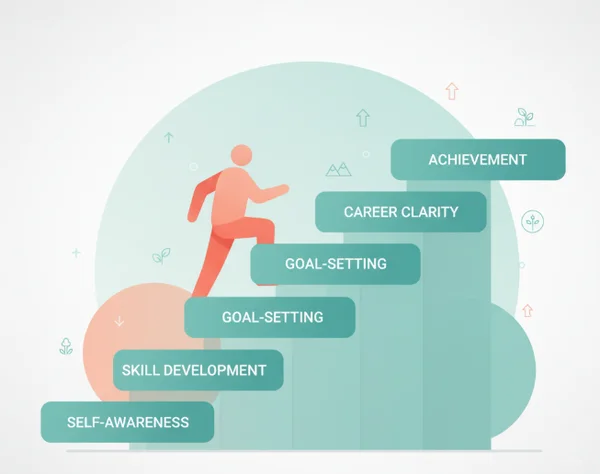
Self assessment is not just about evaluating past performance. It also helps you explore what comes next. When you understand your strengths, values, and interests on a deeper level, you are better equipped to make meaningful career decisions.
Many career development frameworks start with self assessment as the first step. Tools based on established psychological theories — such as interest inventories, personality assessments, and values surveys — provide structured ways to uncover patterns you may not notice on your own.
If you are feeling uncertain about your direction, exploring a career quiz can help you organize your thoughts and discover career paths that align with your natural tendencies. These tools are designed as educational resources for self-exploration — not as definitive answers, but as starting points for deeper reflection.
When to Consider Professional Guidance
Self assessment gives you valuable personal insight. However, if you are facing significant career transitions, burnout, or persistent uncertainty, speaking with a career counselor or coach can add another layer of clarity. A professional can help you interpret your self assessment results in context and build a concrete action plan.
Key Takeaways to Start Your Self Assessment With Confidence
Self assessment is a skill, and like any skill, it improves with practice. Here are the essential points to remember:
- Be specific and evidence-based. Focus on outcomes, behaviors, and measurable progress rather than general opinions.
- Balance honesty with self-compassion. Acknowledge both your strengths and growth areas without harsh self-judgment.
- Connect reflection to action. Every self assessment should end with clear, forward-looking goals.
- Make it a habit. Do not wait for annual reviews. Regular self-check-ins build stronger self-awareness over time.
- Use available tools. Whether it is a template, a journal, or a comprehensive career quiz, structured resources help you go deeper.
Your ability to understand yourself is the starting point for every meaningful change — in your career, your relationships, and your personal growth. Start where you are, be honest about what you find, and use that knowledge to move forward.
If you are ready to explore your strengths and career interests further, try the CareerQuiz.me self-discovery tool as a helpful next step on your self-assessment journey.
Frequently Asked Questions
What is the best way to start a self assessment?
Begin by reviewing your goals and expectations for the period. Gather notes on your accomplishments, feedback received, and challenges faced. Starting with a clear framework makes the process focused and productive.
How honest should I be in a self assessment at work?
Be genuinely honest but constructive. Acknowledge areas for improvement alongside your successes. Frame weaknesses as growth opportunities with a clear plan, rather than simply listing shortcomings.
How often should I do a self assessment?
While annual reviews are common, monthly or quarterly self-check-ins are more effective for sustained growth. Frequent reflection helps you catch patterns early and adjust your approach in real time.
Can self assessment help with career changes?
Yes. Self assessment helps you identify your core strengths, values, and interests, making it easier to evaluate whether a new career path aligns with what matters most to you.
What is the difference between self assessment and self-evaluation?
Self assessment is a broad reflective process measuring skills and traits against criteria. Self-evaluation typically refers to a formal written component of workplace performance reviews. Both involve honest self-reflection, but self-evaluation is usually more structured and documented.
Are self assessment tools and quizzes accurate?
Quality self assessment tools based on psychological research can provide useful insights into your tendencies and preferences. They work best as starting points for reflection — not as definitive labels or diagnoses.